

AI-Powered Quality Inspection for Smarter Semiconductor Manufacturing
Improve inspection accuracy, automate defect detection, and support high-precision manufacturing with AI and Computer Vision.
Built for High-Precision Visual Inspection
SotaVision provides configurable AI and Computer Vision capabilities that can be adapted to different products, components, inspection criteria, and production environments.
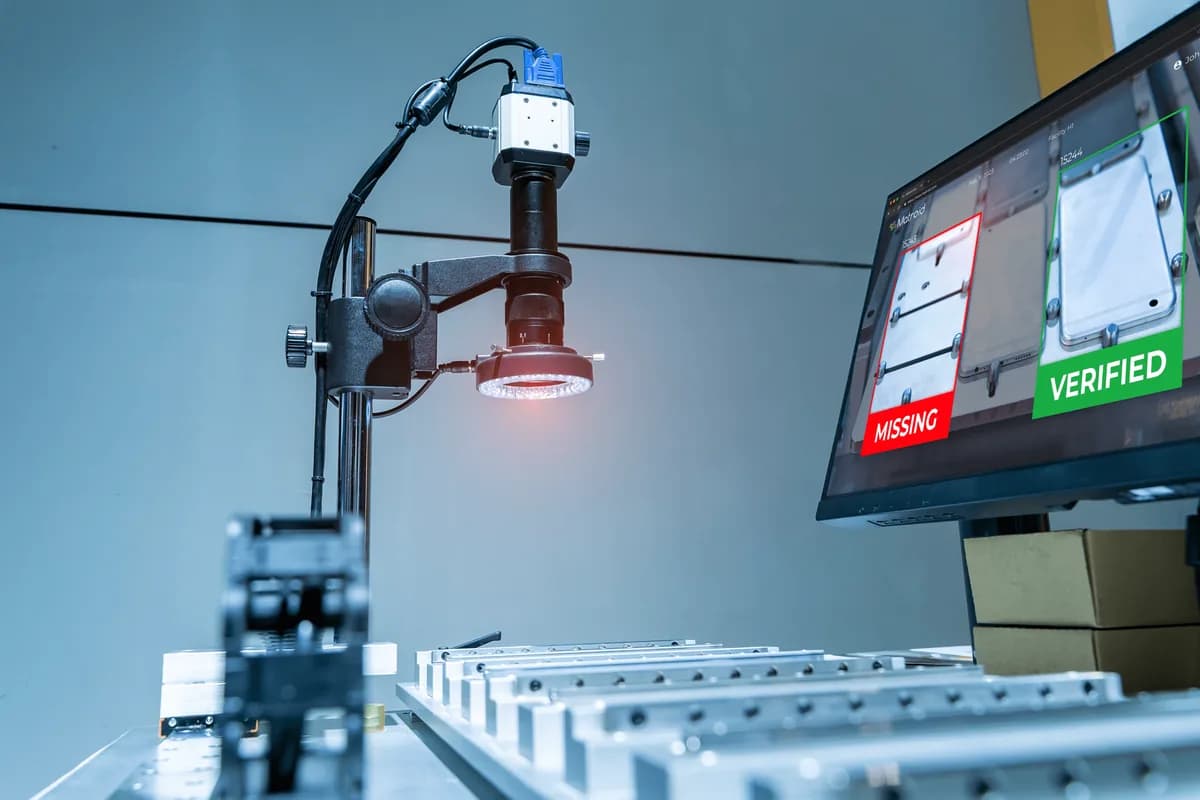
AI-Powered Defect Detection
Detect Small & Complex Defects
SotaVision can automatically detect surface defects such as:
- Scratches
- Cracks
- Rust
- Small holes
- Other surface abnormalities
AI models can be configured for different defect types and product requirements, enabling more flexible inspection than fixed rule-based approaches.
SotaVision Applications for Semiconductor Industry
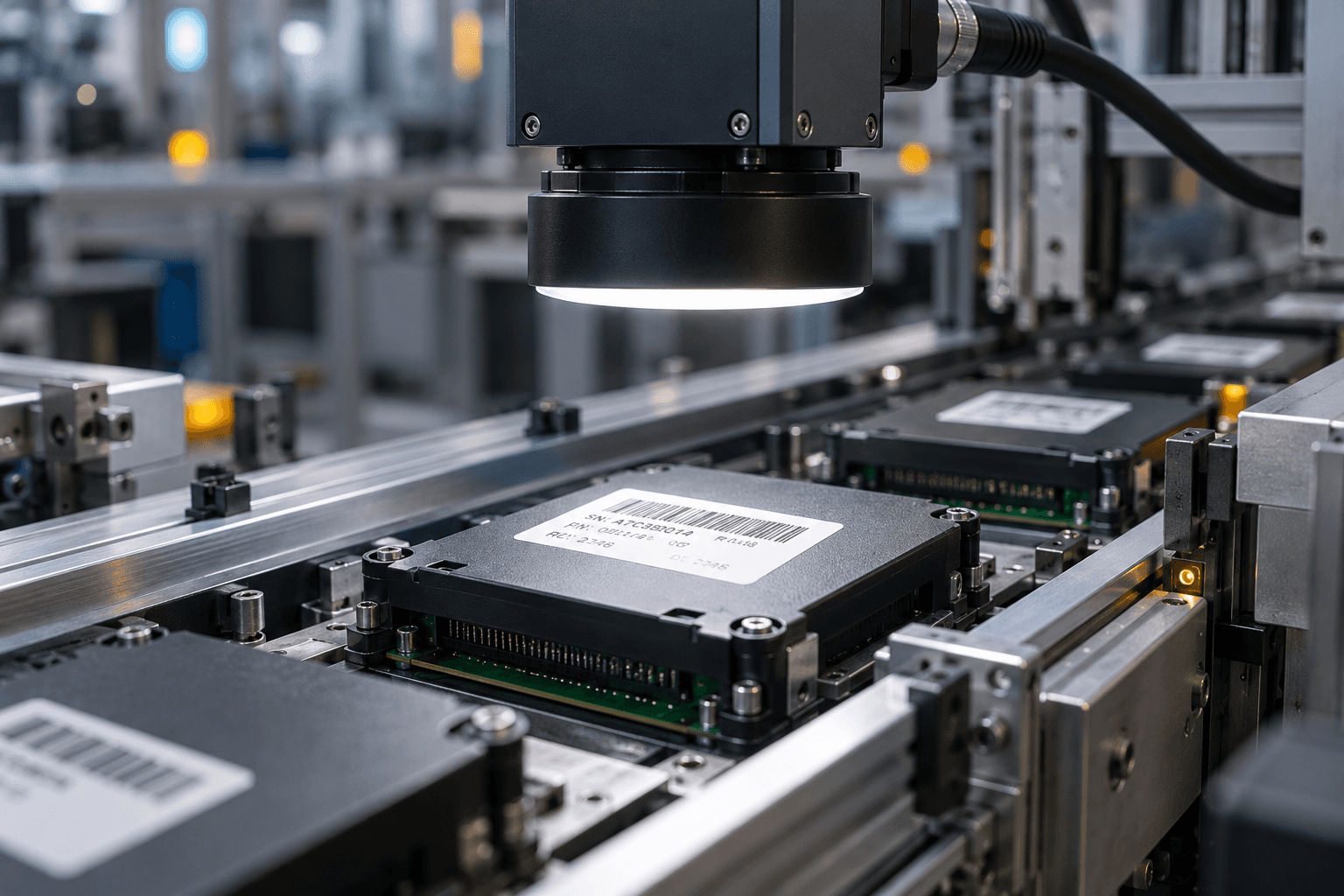
Surface Defect Inspection
Detect scratches, cracks, oxidation, small holes, and other surface abnormalities. Use AI-powered visual inspection to automate the detection of visible defects on precision components and products. Applications: Surface Inspection · Defect Detection · Quality Inspection
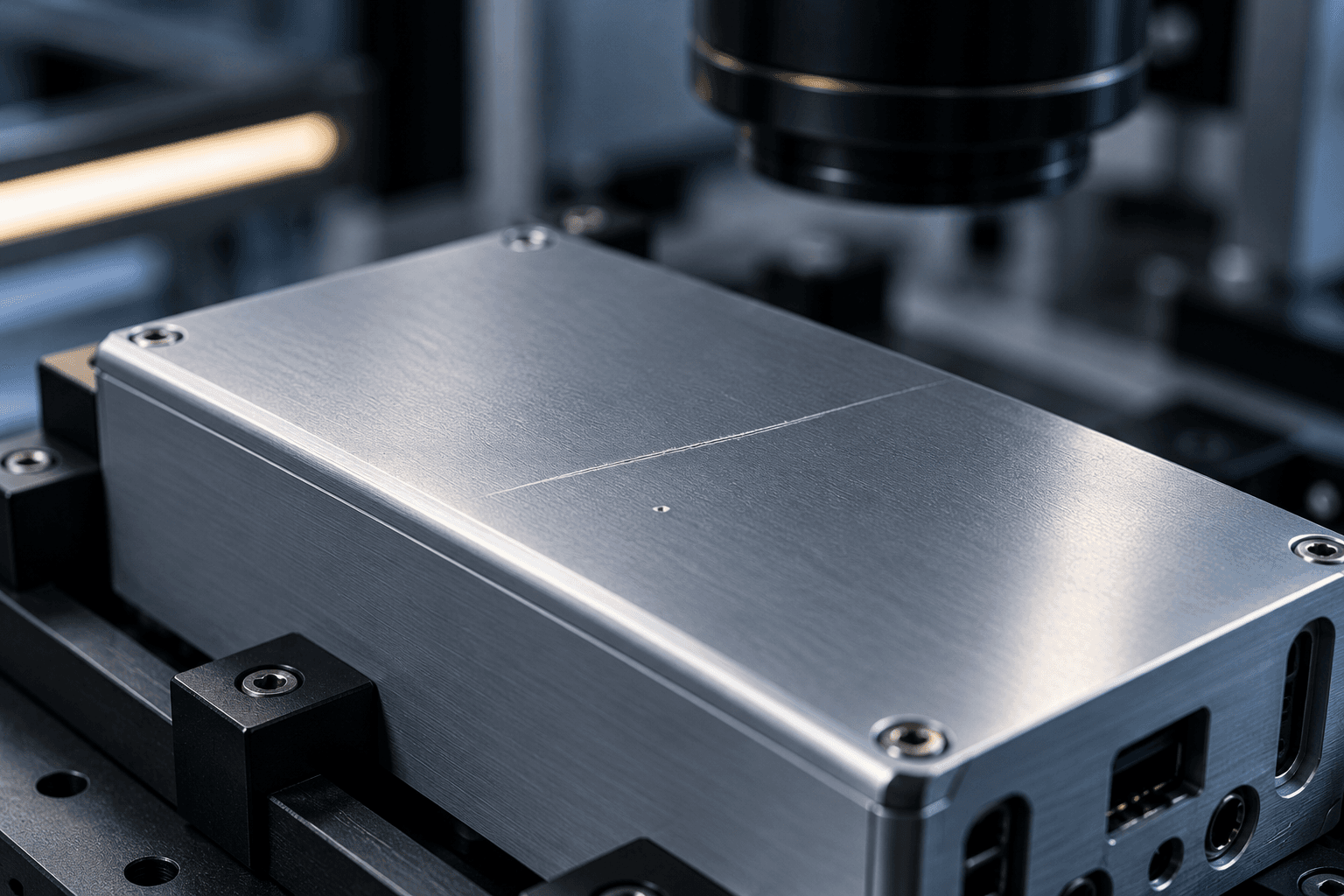
Component Presence & Position Verification
Verify that required components are present and correctly positioned. Compare production images with reference images to identify missing or misplaced components before products move to the next stage. Applications: Component Inspection · Position Verification · Assembly Inspection
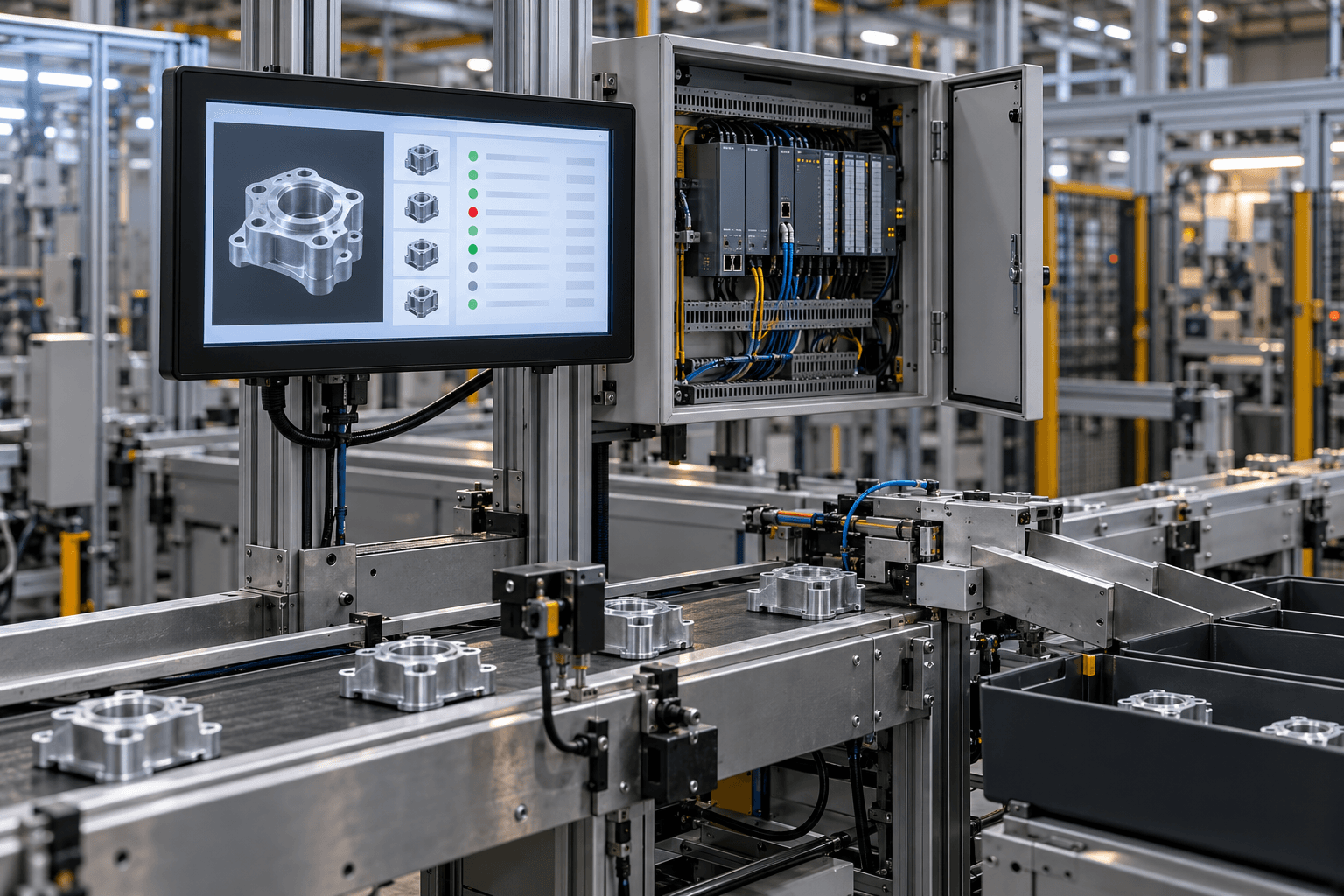
Dimensional Deviation Inspection
Identify dimensional differences against a defined reference. Compare actual product images with digital reference models to identify dimensional deviations in precision components. Applications: Measurement · Dimensional Inspection · Quality Control
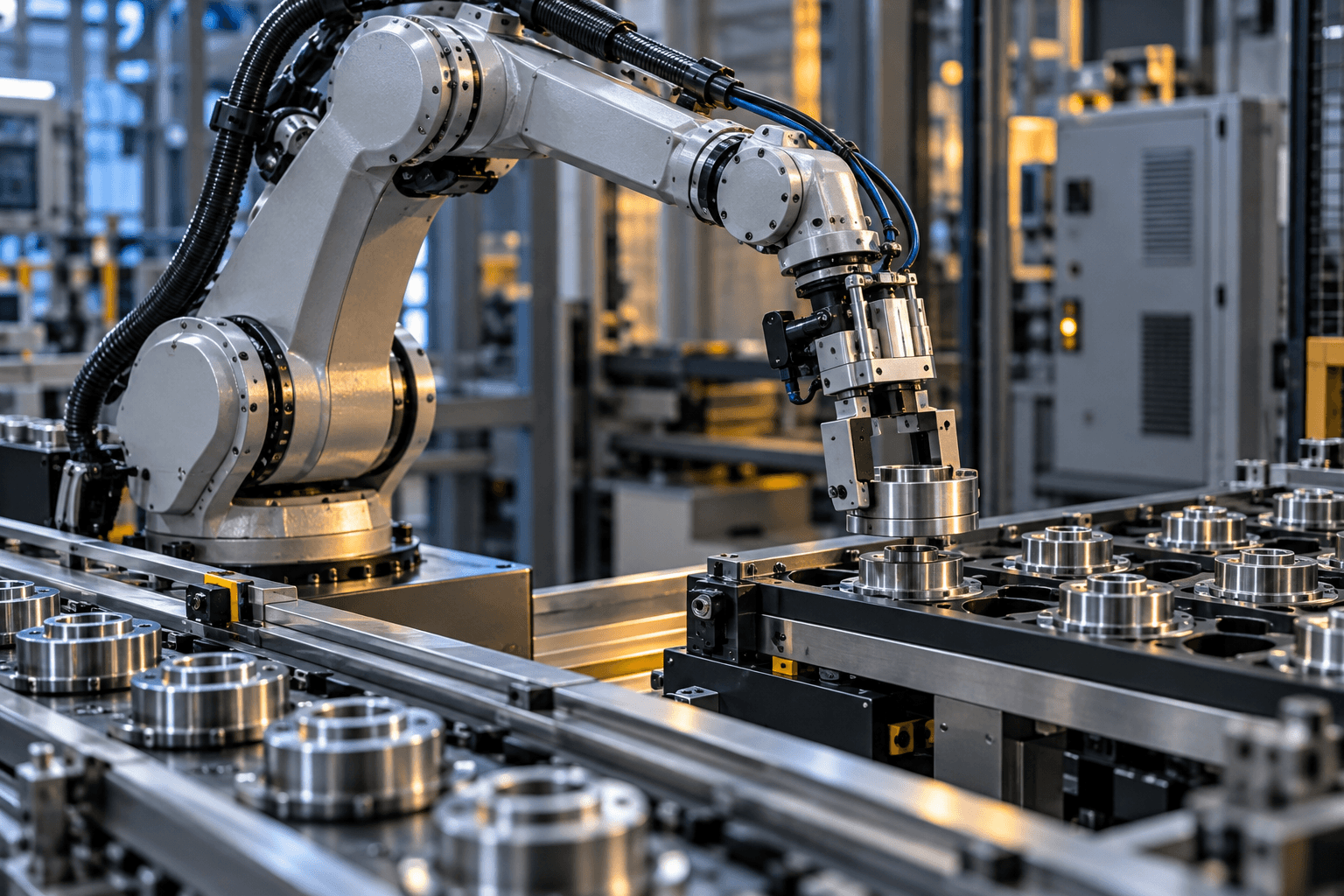
Hand Tracking for Precision Assembly
Identify incorrect or missing assembly actions. Analyze operator hand movements to identify incorrect operations or missing assembly steps, supporting worker training and process improvement. Applications: Hand Tracking · Assembly Monitoring · Process Improvement
Why SotaVision for Semiconductor Industry
Custom AI & Configurable Inspection
Inspection workflows can be adapted to different products, components, defect categories, and inspection criteria rather than relying on a fixed inspection model.
Real-Time Edge AI
SotaVision can run AI models on Edge/IPC devices directly within the production environment, enabling local and low-latency processing.
Existing Equipment Reuse
The platform works with industrial cameras, IPCs, and Edge devices and can integrate with existing inspection infrastructure.
On-Premise & Data Protection
Image streams, inspection data, and processing can remain within the factory's local environment, with air-gapped deployment supported.
Featured Customer Success Stories
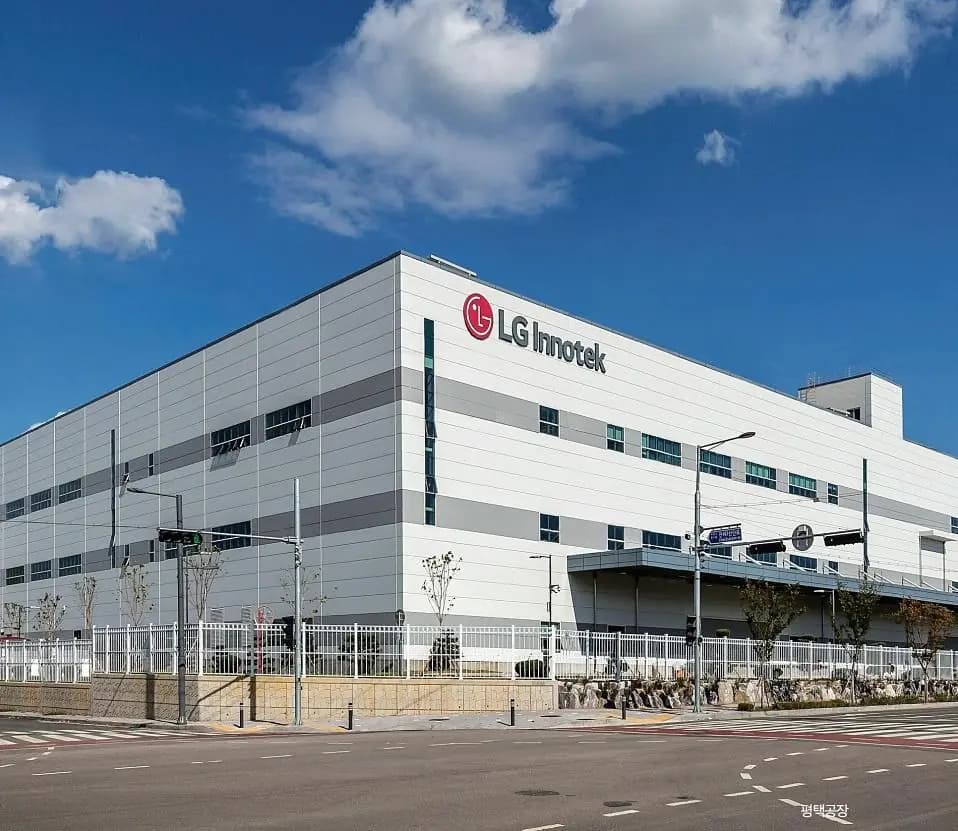
- Detect microscopic defects on compact moving components
- Meet real-time latency thresholds for on-the-line decision-making
- Ensure absolute data security through fully on-premise deployment within factory systems only
- Compatible with existing MES and traceability systems