

LG Innotek
Explore real SotaVision deployments and the measurable outcomes we delivered for manufacturers with strict inspection and quality requirements.
Overview
LG Innotek a leading global electronics manufacturer headquartered in South Korea, operates across semiconductors and substrates, camera modules, and automotive electronic parts.
To support high-speed manufacturing, LG Innotek needed a more intelligent inspection approach capable of detecting microscopic defects, making real-time decisions, and working seamlessly with existing production systems - without compromising data privacy.
SotaVision enhanced the existing inspection workflow with AI-powered visual inspection, enabling high-precision defect detection and automated classification directly at the production line.

The Challenge
Inspecting Microscopic Defects at Production Speed
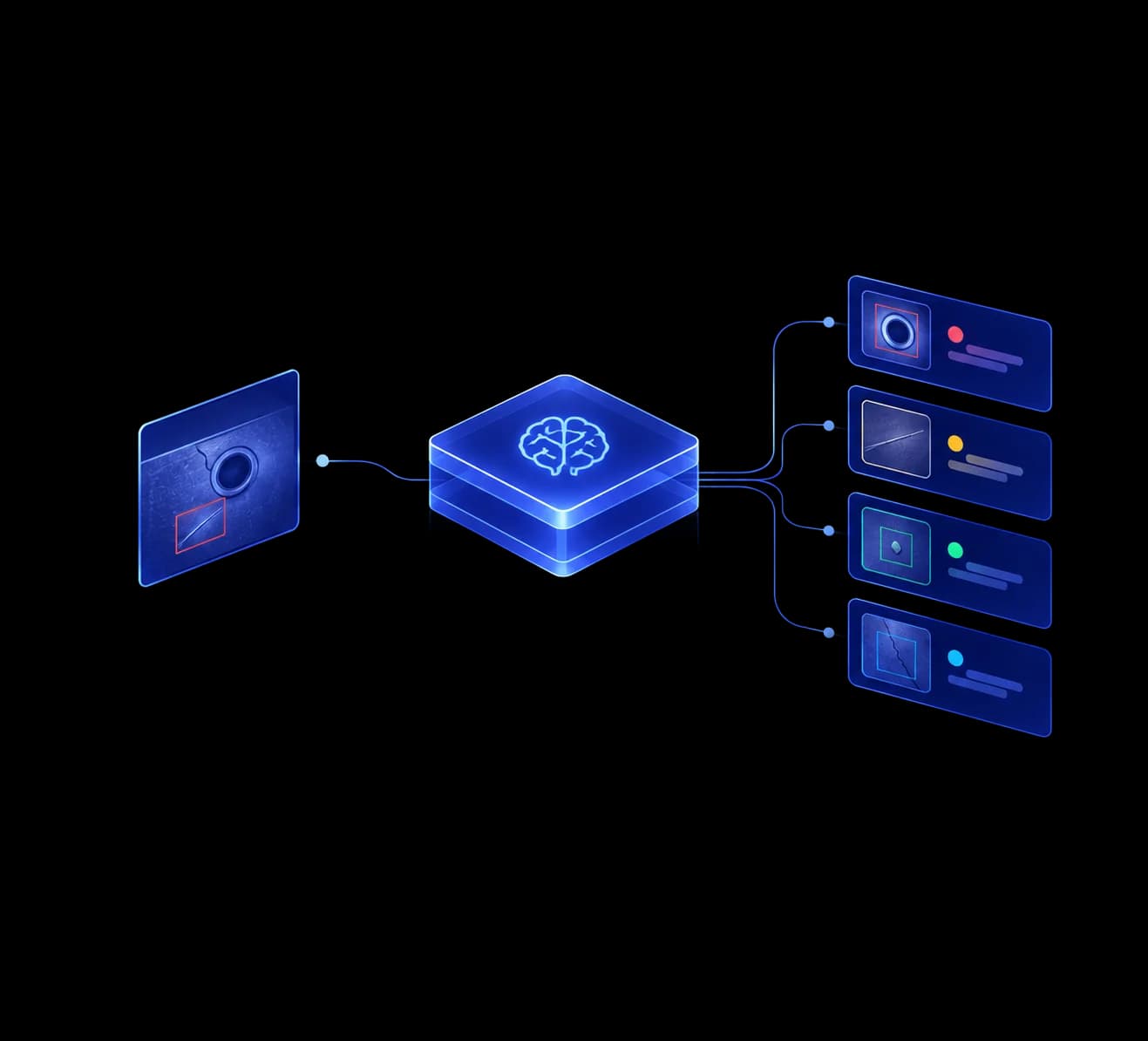
Diverse and Subtle Defects
#1
High-Speed Inspection Requirements
#2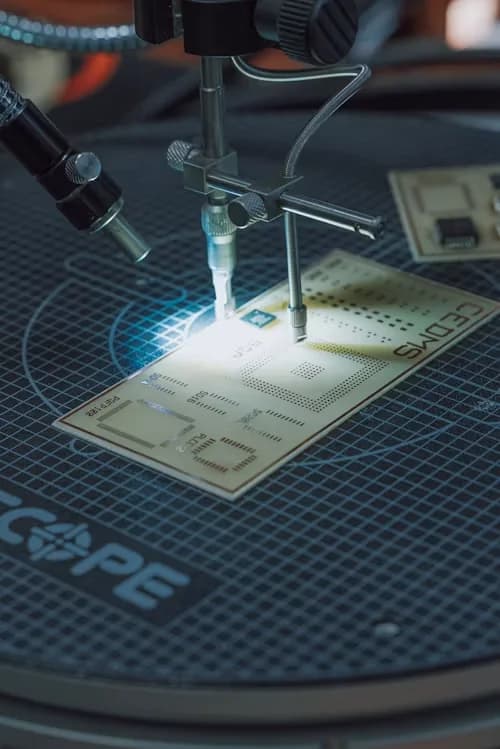
Low-Contrast & Visual Noise
#3
SotaVision Solution
Microscopic Defect Detection
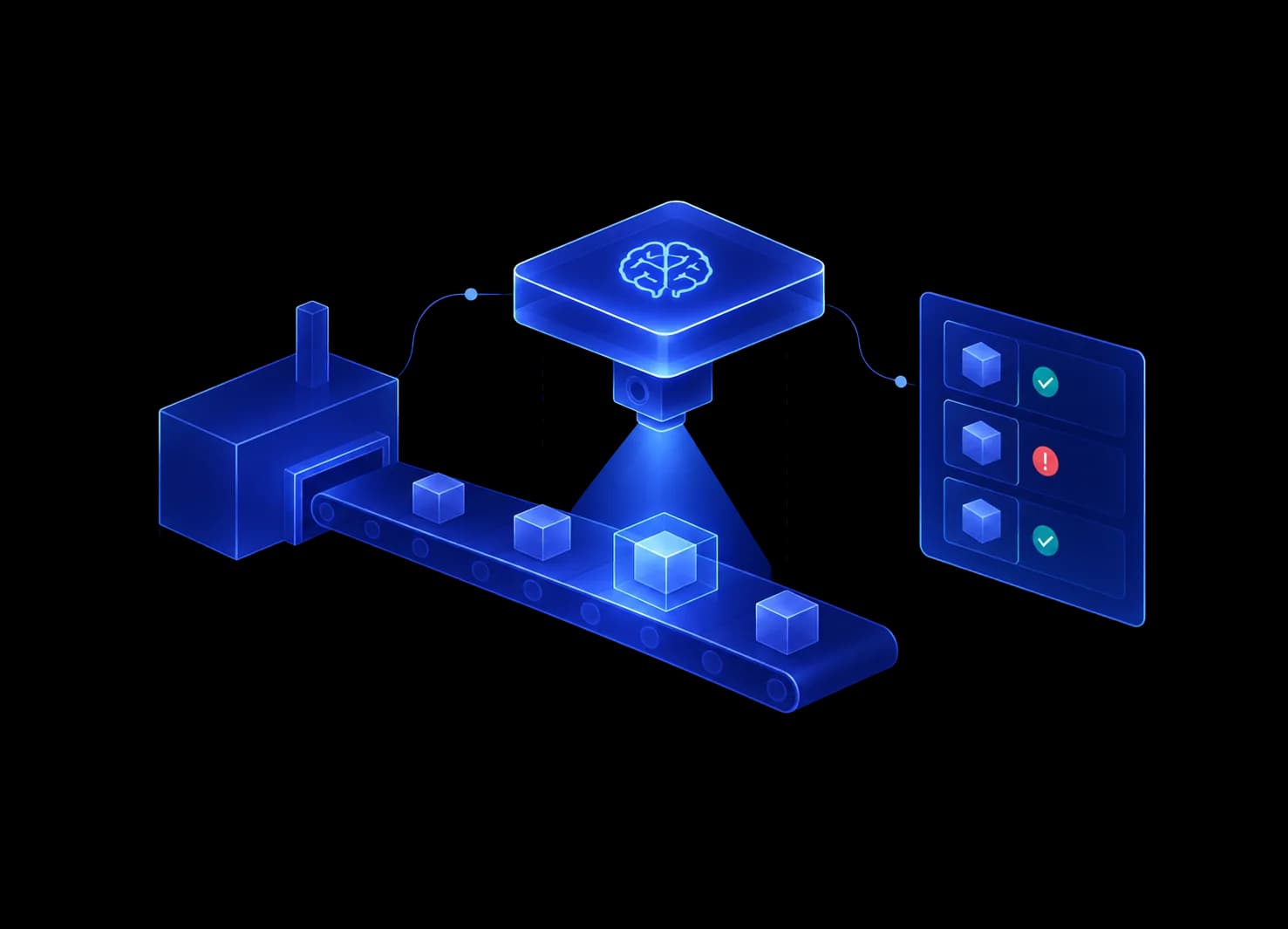
Detect microscopic defects on compact moving components
Real-Time Latency
Meet real-time latency thresholds for on-the-line decision-making
On-Premise Data Security
Ensure absolute data security through fully on-premise deployment within factory systems only
MES & Traceability Integration
Compatible with existing MES and traceability systems
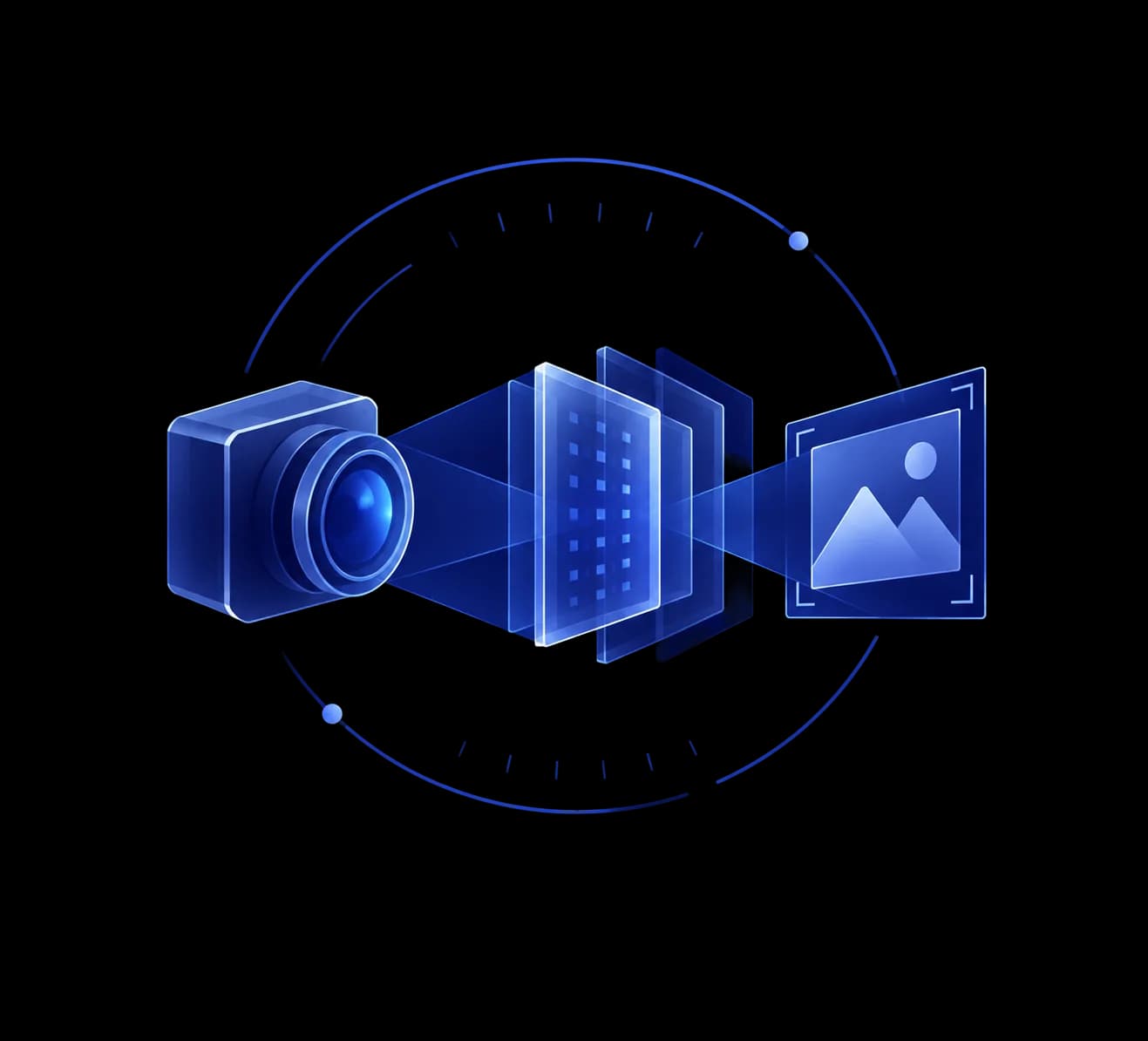
Optimized Image Acquisition
A tuned lighting and image-capture pipeline reliably surfaces defects on low-contrast and reflective surfaces.

Production-Speed Throughput
Inference runs at line speed so inspection never becomes a bottleneck on the production floor.

Key Results

99.99% - Defect Detection Accuracy
#01Embed Gen AI, computer vision, or NLP directly into your operations or user experience
<50 ms - Processing Time per Unit
#02Real-time AI inference designed for high-speed inline inspection.
0.1 mm - Smallest Defect Size Detected
#03Enabling inspection of highly detailed defects on compact components.
20+ - Defect Types Automatically Classified
#04Supporting a broad and evolving range of electronics manufacturing defects.
30% - Reduction in Manual Inspection Workload
#05Reducing the need for manual verification and enabling more automated quality control.
Business Impact
Complex defect coverage
The AI identifies 12+ defect types - adhesive misalignment, air bubbles, soldering defects, and microscopic anomalies - even when several appear on one product.

Real-time inspection performance
Images are processed in under 50 ms per product, matching line speed while sustaining accuracy up to 99.99%.

Detection under challenging conditions
Combining Computer Vision, AI, and optimized image acquisition, defects are caught on low-contrast or reflective surfaces where traditional methods fall short.